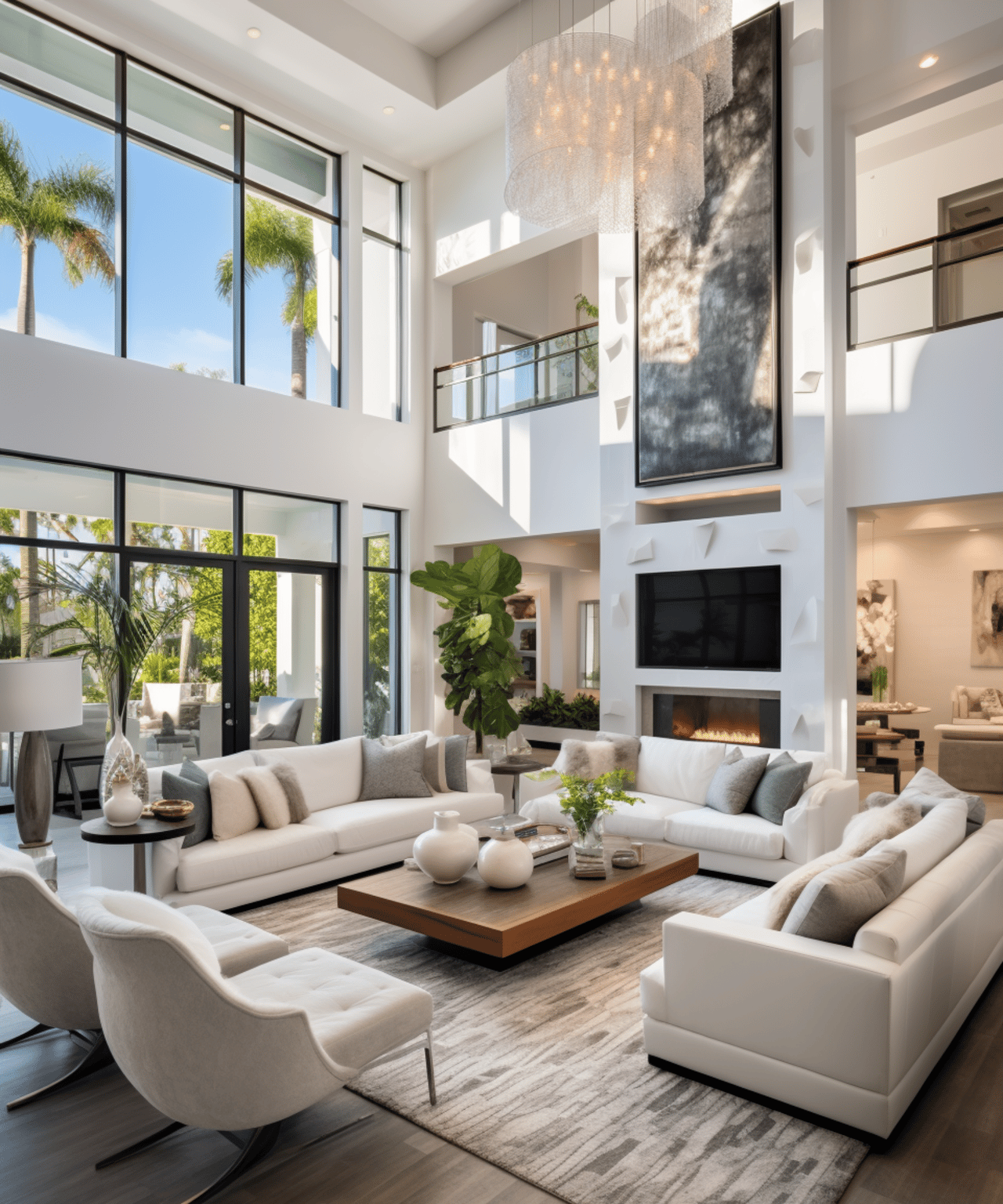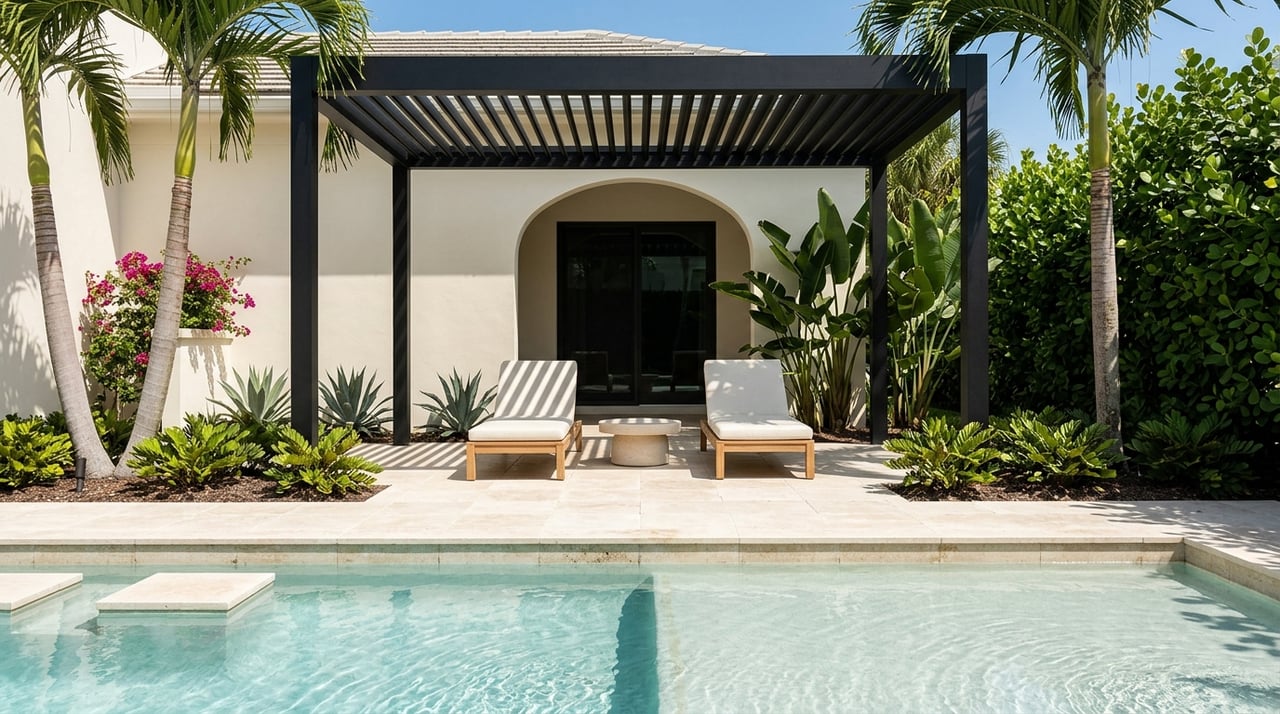
If you love the look of Boca Raton waterfront living, Bel Marra offers plenty of inspiration. On a canal-front lot in South Florida, the best outdoor spaces are not just beautiful. They are planned for sun, salt air, summer rain, and easy everyday use. If you are thinking about updating your backyard, this guide will show you how to create an outdoor space that feels polished, practical, and ready for waterfront living. Let’s dive in.
Why Bel Marra Inspires Outdoor Design
Bel-Marra is an established residential neighborhood in Palm Beach County, and county records describe it as a built-out project spanning 37.38 acres. That matters because most homeowners here are not starting from scratch. Instead, the smartest ideas tend to be retrofit-friendly upgrades that improve how an existing backyard looks and functions. Palm Beach County's residential inventory supports that approach.
For waterfront homes, layout matters as much as style. A backyard should feel open to the canal, comfortable in the heat, and easy to maintain through storm season. In Bel Marra, the most successful outdoor spaces usually work with the setting rather than trying to fight it.
Plan Around the Canal View
Keep sightlines open
One of the strongest ideas for a canal-front backyard is to create a sequence of outdoor zones instead of one large feature that takes over the whole yard. A small lounge area near the dock, a shaded dining space closer to the house, and a pool or spa as the visual center can keep the water view open while making the yard more useful.
This layout also fits how sea breezes work. On hot days, land heats faster than water, which helps move cooler air inland. NOAA's explanation of sea breezes supports the idea of keeping seating areas open and airy instead of fully enclosing every edge.
Create zones with purpose
If your yard needs to do a lot, zones help it feel organized without looking crowded. You might use one area for morning coffee by the water, another for outdoor meals, and a third for relaxing by the pool. The goal is to give each space a job while keeping a smooth visual flow from the house to the canal.
For many waterfront homes, this layered approach feels more refined than packing everything into one patio. It also makes the yard easier to enjoy whether you are entertaining friends or having a quiet evening outside.
Add Shade That Still Feels Breezy
Design for long summers
In Southeast Florida, summer is long, humid, and wet. According to NOAA's Miami office, the median summer season begins around May 21 and ends around October 17, with about 69% of annual rainfall falling during that stretch. That means shade should be a core design feature, not a finishing touch.
For Bel Marra-style outdoor living, filtered shade often works better than heavy coverage. A pergola, covered dining area, or carefully placed trees can soften the sun while still allowing airflow. That balance can help your backyard feel cooler and more comfortable throughout the day.
Use trees thoughtfully
Trees can frame a yard, add privacy, and improve comfort, but placement matters. UF/IFAS notes that trees used as windbreaks are often placed on north and northwestern exposures when winter wind protection is desired. UF/IFAS guidance on windbreaks also supports using trees in ways that shape the yard without cutting off air movement.
For a waterfront property, that often means choosing a lighter, more open canopy rather than creating a dense wall of greenery. You want shade and softness, but you also want the yard to feel connected to the water.
Build a Smarter Outdoor Kitchen
Think compact and integrated
An outdoor kitchen can be a great fit for a waterfront home, but bigger is not always better. The best setups often feel connected to the dining area and main patio rather than standing alone as a giant feature. That helps the space stay functional without blocking views or crowding the yard.
This practical approach lines up with national renovation trends. The 2025 U.S. Houzz and Home Study found that built-in outdoor kitchens were still a smaller share of outdoor upgrades than items like lighting, security, and irrigation. That supports the idea of designing an outdoor kitchen as part of a complete entertaining hub instead of making it the only focal point.
Place dining near the house
On many canal-front lots, the dining and grilling zone works best closer to the house. That makes serving easier, keeps utilities more practical, and leaves the canal edge open for seating or a lounge area. It also gives you more flexibility if you want to add a covered section for shade and rain protection.
A compact kitchen with durable finishes can often deliver more day-to-day value than a large setup with too many exposed elements. In South Florida, simple and resilient usually wins.
Choose Materials for Salt Air
Protect metal components
Near the water, material choices matter. Humid coastal air can speed up corrosion, especially when salt, oxygen, and moisture are all present. UF/IFAS corrosion guidance recommends keeping metals dry when possible, avoiding certain dissimilar-metal pairings, and protecting exposed metal with coatings such as paint, enamel, or wax.
For homeowners, that makes stainless or well-coated hardware a smart choice for railings, furniture, and outdoor kitchen components. It is not just about appearance. It is also about reducing wear and simplifying maintenance over time.
Prioritize easy cleanup
Because rainy season overlaps with hurricane season, surfaces and furnishings should be easy to clean, cover, or move when needed. The National Hurricane Center notes that Atlantic hurricane season runs from June 1 through November 30. In a backyard setting, that is a reminder to choose pieces that can handle fast storm prep and straightforward cleanup.
A polished outdoor space should still be practical after a summer storm. If a material looks beautiful but is difficult to maintain in humid, salty conditions, it may not be the right fit for a waterfront lot.
Pick Plants for Sun and Salt
Use Florida-friendly landscaping
Planting can soften hardscape, improve privacy, and make a backyard feel finished. In coastal South Florida, the best planting plans start with resilience. UF/IFAS Florida-Friendly Landscaping describes a science-based approach that supports attractive, durable landscapes suited to local conditions and water conservation.
Its coastal guidance notes that salt-tolerant plants are especially important within an eighth of a mile of the coast. Even when a yard feels sheltered, sun, wind, and salt exposure can still shape what performs well.
Choose sturdy coastal examples
UF/IFAS sources identify examples such as sea lavender, sand live oak, live oak, and many palms as useful coastal choices with strong salt, wind, or storm tolerance. UF/IFAS coastal plant guidance provides a helpful starting point for understanding what tends to work near the water.
These kinds of plants can help create a layered look that feels lush without looking delicate. Around a pool, patio, or dock, that balance matters. You want a landscape that looks elevated but can also handle South Florida conditions.
Improve Lighting and Privacy
Layer lighting for evening use
In South Florida, outdoor living does not stop at sunset. Lighting can make a backyard more comfortable, safer to use, and more inviting for dinner or casual entertaining. The 2025 Houzz study found that lighting was the most common outdoor systems upgrade, which shows how central it has become in modern outdoor design.
A layered approach usually works best. You might combine pathway lighting, subtle landscape lighting, and task lighting near dining or grilling areas. This keeps the backyard functional at night without overpowering the view.
Add privacy without closing in
Privacy is important, but on a waterfront lot, you do not want the yard to feel boxed in. Strategic planting, filtered shade, and well-placed seating areas can create separation while preserving airflow and openness. That is often a better fit than tall, heavy barriers across every edge of the property.
The result is a backyard that feels calm and comfortable while still taking advantage of the setting. In Bel Marra-inspired design, privacy should support the outdoor experience, not block it.
Plan for Drainage and Storm Season
Make drainage part of design
In Palm Beach County, flood control relies on a system of canals, waterways, drainage devices, pumping, and storage. The county also offers flood-zone assistance for residents. For a canal-front home, that is a good reminder that drainage should be part of backyard planning from the start.
Hardscape, planting, and irrigation choices all affect how well a space handles heavy rain. Salt can also affect soils and irrigation water in coastal and marina-centered areas, according to UF/IFAS information on urban soils and irrigation conditions. A backyard that drains well is easier to maintain and recover after storms.
Keep furnishings flexible
South Florida's rainy season and hurricane season overlap, so flexibility matters. Outdoor furnishings should be easy to secure, move, or rinse down. If you are designing a seating area or dining zone, think about how quickly you could prepare it ahead of a storm and reset it afterward.
That practical mindset does not take away from the style of the space. It actually helps you build an outdoor area that stays attractive and usable across the seasons.
Bring It All Together
The best outdoor living ideas inspired by Bel Marra waterfront homes are not about adding the most features. They are about arranging the backyard around the canal, protecting comfort with shade and airflow, and choosing plants and materials that can stand up to South Florida weather.
If you are buying, selling, or updating a waterfront home in Boca Raton or nearby communities, design details like these can shape how a property lives every day. For tailored guidance on waterfront homes and lifestyle-focused real estate across the Boca and Delray corridor, connect with Dana Ocampo.
FAQs
What outdoor layout works best for a Bel Marra waterfront home?
- A strong layout often uses separate zones, such as a dockside seating area, a shaded dining space near the house, and a pool or spa placed to preserve canal views.
What plants work well in a Bel Marra coastal backyard?
- UF/IFAS coastal guidance highlights salt-tolerant examples such as sea lavender, sand live oak, live oak, and many palms for bright, exposed waterfront settings.
What materials hold up best near the water in Boca Raton?
- Waterfront outdoor spaces usually benefit from stainless or well-coated hardware and finishes that can resist corrosion, humidity, salt exposure, and frequent cleanup.
How can you add privacy to a Bel Marra backyard without blocking the breeze?
- Filtered planting, open-canopy shade, and smart furniture placement can improve privacy while still keeping airflow and views more open.
Why does drainage matter for outdoor living in Palm Beach County waterfront homes?
- Drainage helps a backyard handle heavy summer rain, supports easier storm recovery, and protects planting and hardscape performance over time.