Pricing a waterfront home in Bel Marra is part art, part data. If you set the number too high, you risk stale days on market. Too low, and you leave money on the table. You want a price that aligns with what East Boca’s best buyers will pay today, backed by clear evidence.
This guide walks you through the exact levers that move value on Bel Marra canals, the step-by-step process to build your price range, how permits and insurance impact offers, and a practical 6–12 month timeline to prepare. Let’s dive in.
What drives value on Bel Marra waterfronts
Waterfront frontage (linear feet)
Wider frontage can be one of your strongest value drivers. More waterfront feet usually means better dock options, easier maneuvering for larger boats, and a sense of privacy. Many appraisers and agents calculate a “price per waterfront foot” from recent sales, then adjust for home size and condition. Confirm your measurement with a property survey and county records.
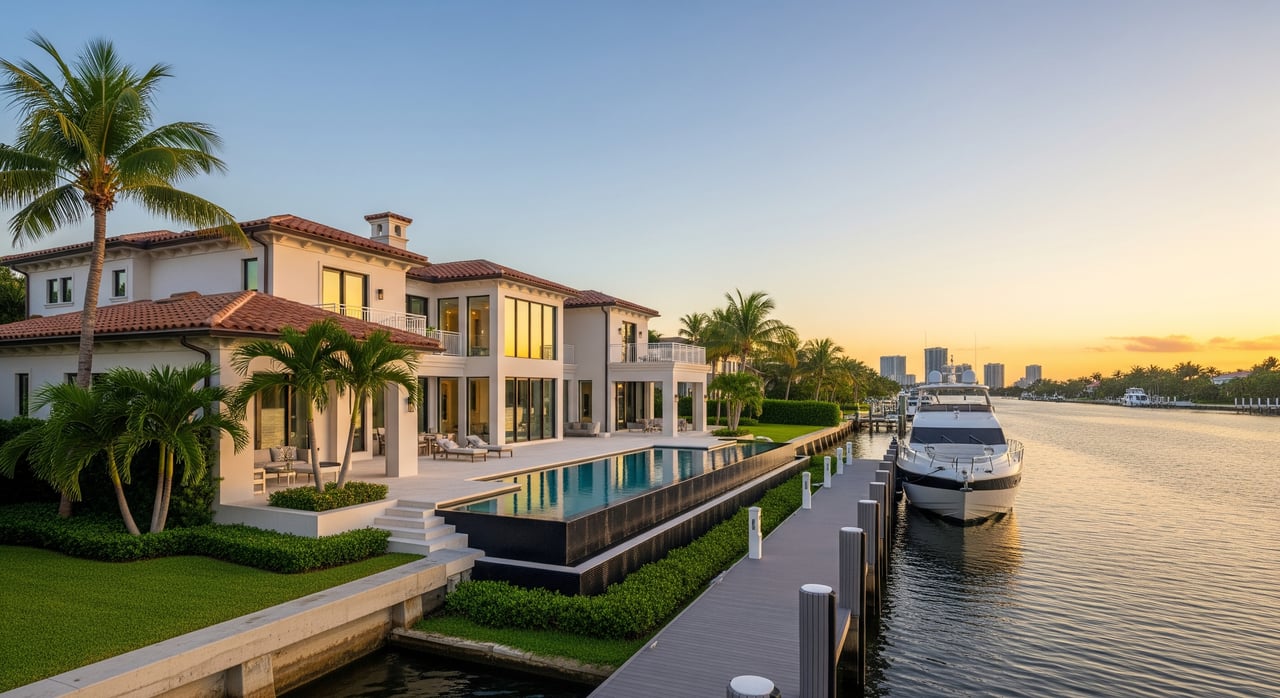
Canal positioning and water access
Direct ocean access, fewer fixed bridges, and wider or deeper canals typically command a premium. Buyers compare properties by access type first, then by features. Group your comps by similar access and note percentage differences for direct ocean access versus more restricted routes.
Dockage, lifts and seawall condition
Dock length, slip capacity, and the presence of modern boat lifts influence willingness to pay. If a dock or lift is older or undersized, buyers often deduct the repair or replacement cost from their offer. A documented, well-maintained seawall is a high-impact selling point.
Renovation level and systems
Turnkey homes with updated kitchens and baths, newer HVAC and roof, and coastal-ready features like impact windows reduce buyer objections. When items are due, buyers price in the cost and hassle. Keep invoices, warranties, and contractor licenses to support your value.
Outdoor living and landscaping
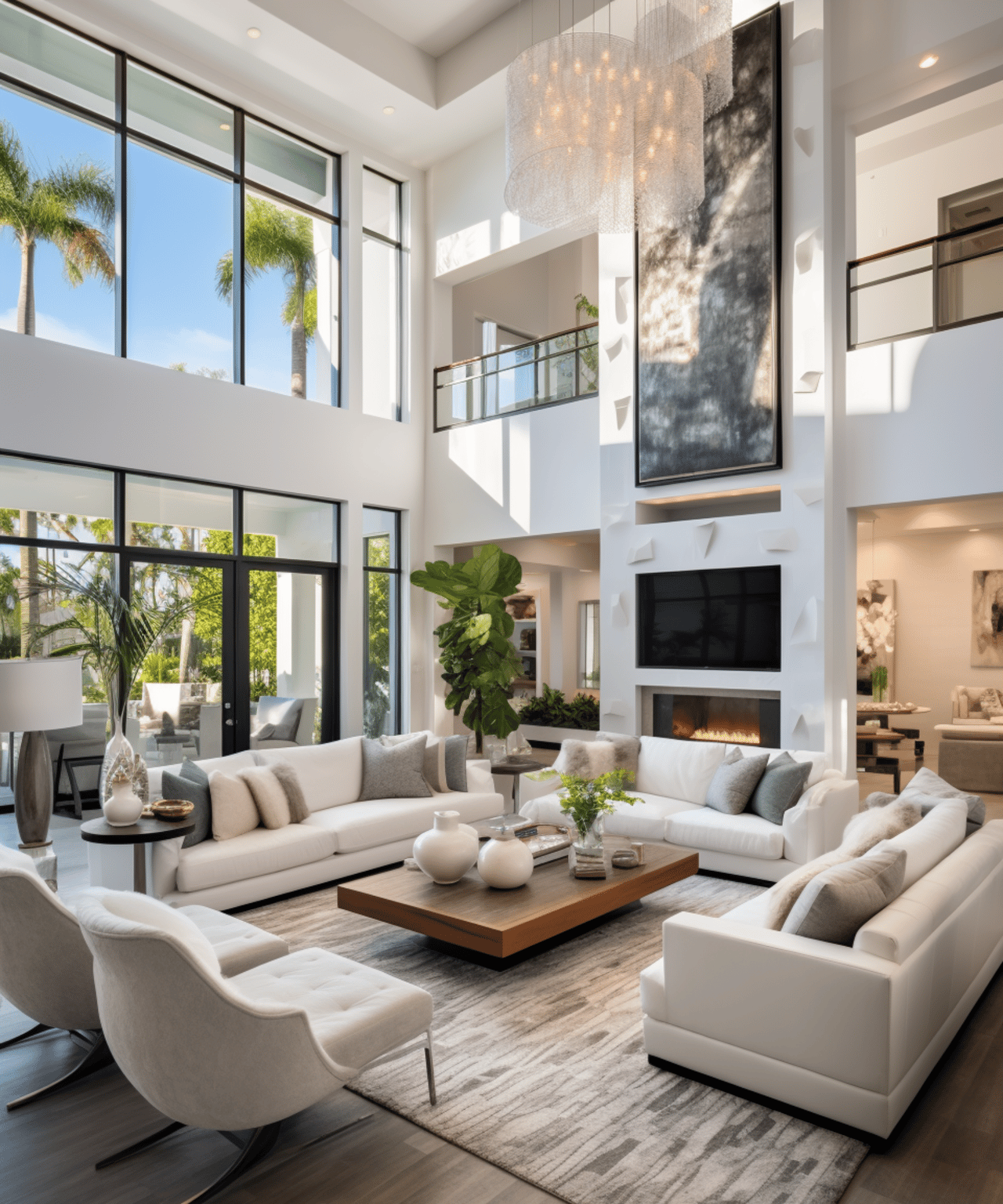
In Boca, the backyard is a daily living space. Pools, covered patios, summer kitchens, and mature landscaping can produce a stronger uplift than adding equivalent interior square footage. Document recent pool service, landscape plans, and any hardscape investments.
Lot size, depth and orientation
Deeper lots allow more usable yard between the house and seawall, which supports higher-value outdoor living. Sun exposure and prevailing winds affect comfort and cooling, which lifestyle buyers notice.
Seawall age, elevation and erosion risk
A newer, engineered seawall can be a major value protector. Older or failing seawalls can force price concessions because replacement involves cost and permitting. If you suspect issues, obtain an inspection report so you can price with confidence.
Insurance and flood exposure
Flood zone, elevation, and wind mitigation influence both insurability and buyer demand. An elevation certificate and a current flood policy quote provide clarity. You can verify flood zones using the FEMA Flood Map Service Center.
Neighborhood and street-level factors
Proximity to bridges, marinas, public access points, and street width all play into perception. Identify both the amenities and any external factors so your pricing fairly reflects the micro-location.
Build your price range with comps
Step A: Gather the right comparable sales
Focus on solds from the last 6–12 months within Bel Marra and adjacent East Boca canals. If the sample is thin and the market has been stable, you can extend to 24 months. Filter for similar water access, waterfront feet within roughly 20–30 percent, comparable lot depth, home size within about 25 percent, and similar renovation level. Use active and pending listings as context, but base pricing on closed sales.
Step B: Calculate core metrics
For each comp, record:
- Price per waterfront foot (sale price divided by linear waterfront feet)
- Price per interior square foot (sale price divided by heated living area)
- Lot factors (lot area, depth, and usable outdoor space)
- Dock features, lift details, seawall age and condition, and any major upgrades with permits
Step C: Establish a base price and adjustments
Use one of two approaches:
- Waterfront-foot method: Take the average or median price per waterfront foot from close comps and multiply by your frontage. Then adjust for interior condition, dockage, seawall, and outdoor living.
- Hybrid method: Combine a lot-based value from price per waterfront foot with an interior component based on price per heated square foot. Reconcile both figures and apply condition-based adjustments.
Document your reasoning. If your seawall needs work, support the deduction with contractor estimates. If you have a newer roof and impact windows, reflect that with appropriate positive adjustments.
Step D: Create three pricing bands
- Conservative/quick-sale: Attracts a broader pool and reduces days on market.
- Market/expected: Aligns with current comps and typical negotiation room.
- Aspirational/list-plus-renovate: Targets a narrower audience and may require longer marketing time.
Step E: Validate with an appraisal or BPOs
Before you go live, cross-check your numbers with a pre-listing appraisal or two broker price opinions. This helps you price confidently and defend your number with buyers.
Market checks and data sources
Use trusted local sources to keep your pricing current:
- Review parcel details and lot measurements through Palm Beach County Property Appraiser records.
- Confirm flood zone and base flood elevation at the FEMA Flood Map Service Center.
- For access and navigability, reference NOAA nautical charts.
- For dock permitting guidance, check the Florida Department of Environmental Protection.
- Monitor regional trends through Florida Realtors market trends and your local MLS snapshots.
Permits, insurance and flood factors that affect price
Flood zones and elevation
Determine your flood zone and consider obtaining an elevation certificate if you do not have one. This helps buyers understand expected coverage types and premiums. It can also support a stronger price when mitigation is favorable.
Seawall permits and condition
Seawall replacement can be costly and time sensitive. If repairs are likely, gather permits, engineering reports, and estimates early. Buyers often subtract expected replacement cost plus permit timelines from their offers.
Dock and lift permitting
Private docks typically require local and state approvals. Unpermitted structures can complicate financing and insurance. Keep permit history and any submerged lands documentation accessible, and consult Florida Department of Environmental Protection guidance for constraints that could affect future improvements.
Insurance, wind mitigation and roof
Older roofs and lack of mitigation features can raise premiums or reduce insurability. A wind mitigation report and documentation for impact-rated windows, hurricane straps, and recent roof work can lower insurance costs for buyers and support your price.
Required disclosures
Florida sellers must disclose known property conditions. For waterfront homes, typical items include seawall and dock condition, past flooding or claims, and relevant permits or violations. Proactive documentation reduces friction during negotiations.
6–12 month seller timeline
Months 0–1: Research and documentation
- Pull recent sold comps and obtain your parcel survey and title documents.
- Confirm flood zone and elevation; gather roof and HVAC ages.
- Order seawall and dock inspections if applicable.
Months 1–3: Decide on repairs versus pricing
- Get bids for major items like seawall, dock, roof, HVAC, and essential electrical or plumbing.
- Prioritize items buyers penalize most when deferred. Cosmetic updates, staging, and landscape refreshes often deliver strong ROI and quick impact.
- If time allows, complete high-visibility upgrades such as kitchen refreshes or impact windows.
Months 3–5: Pre-listing preparations
- Obtain a pre-listing appraisal or broker price opinions.
- Assemble your packet: surveys, permits, warranties, inspection reports, and estimates for any deferred work.
- Make outdoor living photo-ready; consider aerial and boat-based photography to showcase dockage and canal approach.
Months 5–12: Marketing and sale
- Choose your pricing band based on inventory and timing goals.
- Provide buyers with clear documentation on seawall, dock, flood, and insurance. Transparency builds trust and keeps deals on track.
Documents buyers will ask for
Have these ready to support your price and smooth diligence:
- Current property survey showing waterfront linear feet
- Title and deed
- Permit history for docks, lifts, seawall, and major renovations
- Seawall and dock inspection reports or contractor estimates
- Roof, HVAC, and major systems ages and service records
- Elevation certificate and a printout from the FEMA Flood Map Service Center
- A comp set of recent solds with notes on water access and dockage
- Drone or boat-based photos showing the canal approach
Position for the right buyer
Different buyers prize different features. Boaters focus on waterfront feet, channel width, and lift capacity. Lifestyle buyers respond to outdoor living, pool design, and privacy. Your photos, description, and pricing should highlight the features that align with your strongest buyer profile.
If your seawall or dock needs work, consider listing with transparent credits rather than delaying for a full replacement. Many buyers will accept “as-is with credits” when the price reflects the known scope and timeline.
Ready to talk pricing?
If you’re 6–12 months out, now is the time to gather documents, scope repairs, and build your pricing bands. For a tailored analysis and a design-forward marketing plan that showcases your waterfront, connect with Dana Ocampo for a complimentary valuation and strategy session.
FAQs
What is the best way to value waterfront in Bel Marra?
- Start with price per waterfront foot from recent, similar-access sales, then layer in interior value and adjust for condition, dockage, seawall, and outdoor living.
Do I need an elevation certificate to sell my Boca waterfront home?
- It is not required to list, but an elevation certificate improves insurance clarity and buyer confidence; verify flood zones at the FEMA Flood Map Service Center.
How do seawall issues impact my listing price?
- Buyers typically subtract expected replacement or repair cost and permitting time from offers; a recent inspection and contractor estimates help you price accurately.
Which data sources should I use before setting my price?
- Combine MLS solds with the Palm Beach County Property Appraiser, FEMA Flood Map Service Center, NOAA nautical charts, and Florida Department of Environmental Protection guidance.
How far back can I go for comps if sales are scarce?
- Aim for 6–12 months; extend to 24 months only if the property is truly comparable and market conditions have been stable, then validate with an appraisal or broker opinions.